
The Long-Term Consequences of Missing the Dentist
Dental health plays a crucial role in maintaining overall health and quality of life. Regular dental check-ups are not only vital for preserving your smile but also for ensuring early detection of potential health issues. This article delves into the long-term consequences that may arise from neglecting regular dental visits. We explore the immediate effects of skipping dental appointments, how they can escalate into more severe health issues over time, and why preventive care is essential. Understanding these impacts emphasizes the importance of making dental wellness a priority, given the broader implications for systemic health, emotional well-being, finances, and quality of life.
The Immediate Consequences of Skipping Dental Appointments
One of the immediate results of neglecting dental visits is the accumulation of plaque. Plaque forms when food particles and bacteria build up on the teeth, eventually hardening into tartar, which toothbrushes alone cannot remove. Tartar is a leading cause of cavities and gum disease, as it harbors bacteria that erode enamel and irritate gums. Without regular professional cleanings, these deposits continue to accumulate, leading to further dental damage. Consequently, skipping dental appointments can set the stage for a cascade of oral health issues that require more intensive intervention.
Periodontal disease, or gum disease, often starts as gingivitis, a mild form of gum irritation that might be reversible with prompt care. Skipping dental visits allows gingivitis to progress unchecked, potentially advancing to periodontitis, a more severe form of gum disease. Early detection through regular dental check-ups is crucial; this stage can occur without noticeable symptoms until significant damage has been done. Professional cleanings and examinations help control the factors contributing to gum disease, like plaque and tartar build-up. Therefore, consistent dental visits are essential for intercepting gum disease before it escalates into more serious conditions.
Untreated cavities and tooth decay are among the inevitable results of missed dental appointments. Your local dentist is trained to identify decay in its early stages, often before the patient experiences any discomfort or pain. Cavities continue to grow without timely dental intervention, compromising tooth structure and potentially leading to infections or tooth loss. Over time, untreated decay may necessitate more complex procedures such as root canals or crowns. Regular dental examinations and cleanings provide an opportunity to address these issues early, mitigating the long-term consequences.
Dental professionals play a critical role in the early detection of not only cavities and gum disease but also oral cancer and other serious conditions. Skipping regular check-ups can lead to a missed opportunity for early diagnosis, as many of these conditions can develop without obvious symptoms. The earlier these conditions are detected, the better the prognosis and the simpler the treatment. According to the CDC, 64.1% of adults aged 18+ had a dental cleaning or exam in the past year, underscoring the importance of routine care. Regular examinations are instrumental not just for oral health, but for overall health, given the connections between oral and systemic health.
Long-term Dental Health Impact
Chronic periodontal disease is a significant concern when dental visits are neglected over time. As the disease progresses, it can lead to the deterioration of gums and the supporting structures of the teeth. Untreated periodontal disease is a leading cause of tooth loss among adults. Beyond dental issues, chronic inflammation from periodontal disease can also impact systemic health. Detection and management of gum disease in its early stages through regular dental care are crucial to prevent these irreversible consequences.
Tooth loss is a severe outcome of prolonged neglect of dental health, often resulting from unchecked decay or advanced periodontal disease. Losing teeth affects not only appearance and self-esteem but also dietary habits, as it can limit one’s ability to eat certain foods. Moreover, tooth loss can lead to a misaligned bite and problems with speaking. The financial burden of replacing lost teeth via dentures or implants also highlights the importance of preventive dental care. Regular dental visits make it far easier to prevent tooth loss than to restore lost teeth.
Neglecting dental health can necessitate more invasive procedures, such as root canals, extractions, or periodontal surgery. As dental issues progress, the complexity and invasiveness of required treatments typically increase. These procedures often come with higher costs, more extended recovery times, and an increased risk of complications compared to preventive care. Regular check-ups play a crucial role in identifying and addressing problems before they reach a stage where surgical intervention is necessary. This not only protects oral health but also minimizes the need for significant dental work.
Systemic Health Consequences
Research indicates a link between periodontal disease and cardiovascular disease, highlighting the impact of oral health on heart wellness. Inflammation from gum disease is thought to contribute to the development of atherosclerosis, a condition characterized by the thickening of artery walls. This connection underscores the systemic nature of oral health and its potential to affect other critical body systems. By managing gum disease through regular dental care, individuals may reduce their risk of cardiovascular complications. Preventive dental care is thus vital not just for oral health, but for broader health maintenance.
Oral bacteria from neglected dental conditions can travel to the lungs, potentially leading to respiratory infections. Conditions such as pneumonia have been linked to poor oral hygiene, highlighting the importance of maintaining a clean oral environment. Dental visits are a crucial preventive measure, allowing for the removal of harmful bacteria that could compromise respiratory health. Ensuring good oral hygiene and regular dental check-ups can help reduce the risk of these infections. The mouth-body connection is evident, reinforcing the importance of comprehensive oral care for overall health.
Psychosocial Effects of Neglected Oral Health
Oral health significantly influences self-esteem and confidence, affecting social interactions and personal relationships. Dental problems such as missing teeth, bad breath, or visible decay can cause embarrassment, reducing one's willingness to smile or speak freely. Regular dental visits help maintain the appearance of a clean, healthy smile, boosting confidence and encouraging positive social engagement. By preventing or addressing dental issues early, individuals can preserve not only their oral health but also their self-image. Regular dental care thus plays a pivotal role in maintaining personal and social confidence.
Dental issues can affect speech clarity and pronunciation, creating hurdles in effective communication. For example, missing teeth or ill-fitting dentures can impede one's ability to articulate words properly, leading to frustration and self-consciousness. Regular dental visits ensure that any issues affecting speech are addressed promptly, maintaining one's communication abilities. Dentists can recommend solutions like orthodontic treatment or other interventions to assist with speech-related dental challenges. Addressing these issues through consistent dental care is vital for effective communication and overall social functioning.
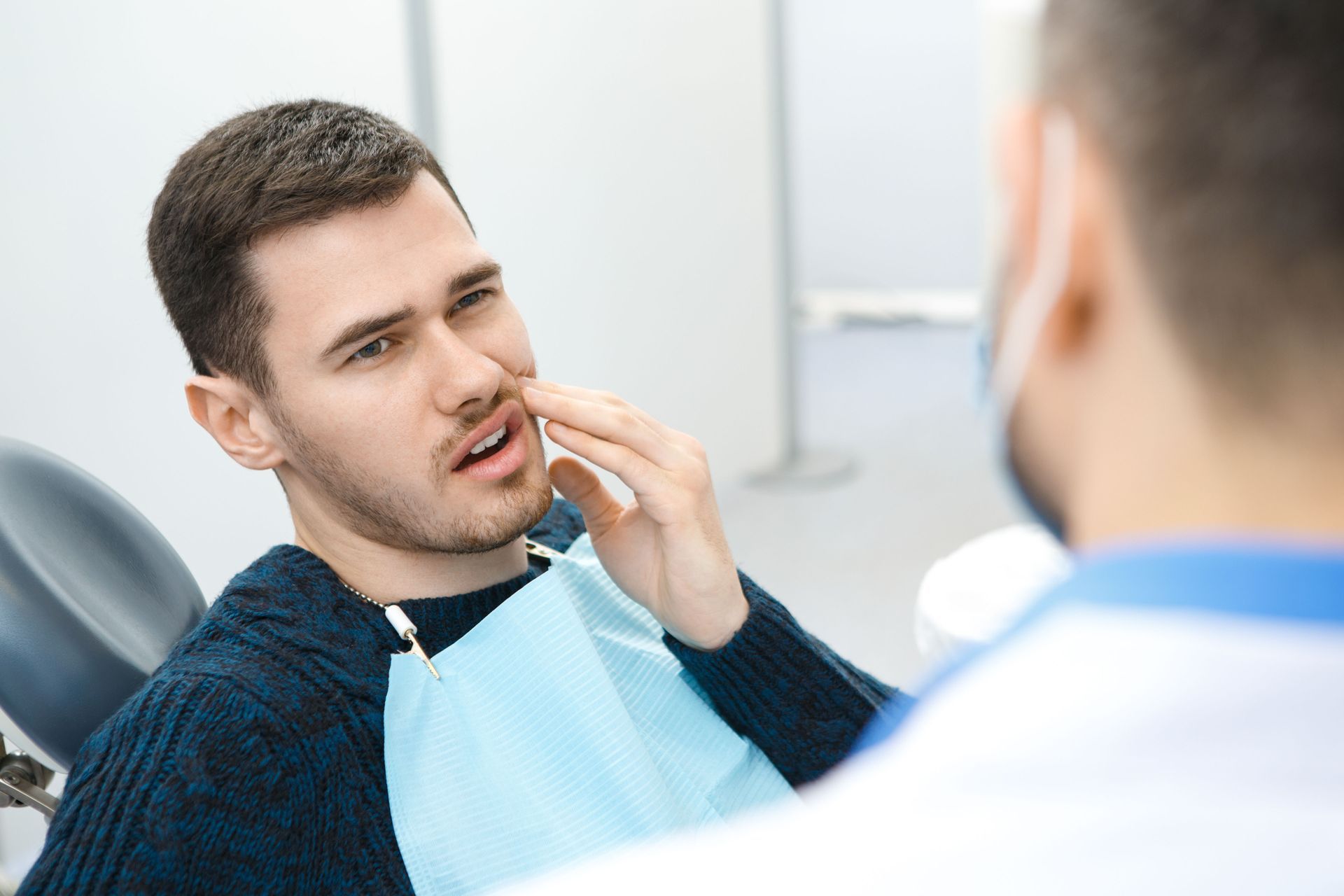
Oral pain from untreated dental conditions can significantly impact mental health, contributing to anxiety and depression. Persistent pain or discomfort can disrupt daily activities, affecting sleep, productivity, and overall quality of life. Functional teeth and pain-free oral health result in improved mood and mental well-being, enhancing life satisfaction. Your
local dentist plays a key role in managing or preventing pain through regular check-ups and treatments. Understanding the interplay between oral health and mental wellness highlights the importance of proactive dental care.
By prioritizing regular dental check-ups and preventive measures, individuals can safeguard their dental and overall health, mitigate the risk of serious complications, and support emotional and professional wellness. Emphasizing the importance of routine dental care fosters a proactive approach to health that benefits both individuals and the broader community. If you have questions about your dental health, be sure to reach out to Ocean Atlantic Dental today.




Share On: