
The Importance of Regular Cleanings and General Preventive Dentistry
Preventive dentistry is the cornerstone of maintaining not just oral health, but overall well-being. Regular dental cleanings and check-ups are essential practices that should be integrated into everyone’s health routine. By focusing on prevention, potential oral issues can be addressed before they progress into more severe conditions, minimizing complications and improving quality of life. Early intervention aids in averting tooth decay, gum diseases, and other infections that, if unchecked, can have profound consequences. Maintaining regular dental visits bolsters confidence, improves oral hygiene, and helps identify systemic health issues linked to oral problems. General dentistry plays a critical role in promoting these preventive practices for long-term health.
Understanding Preventive Measures in General Dentistry
Preventive dentistry encompasses proactive strategies designed to maintain healthy teeth and gums while reducing disease risk. Regular examinations, cleanings, and guidance on proper oral hygiene are fundamental components. Basic practices, such as brushing, flossing, and fluoride use, form the foundation of preventive care, while professional oversight ensures optimal effectiveness. Dental professionals educate patients about habits that reduce plaque and bacterial buildup, helping them avoid cavities and gum disease. The active participation of patients in their oral health, reinforced by general dentistry, ensures long-term oral wellness and contributes to broader health benefits.
Preventive dentistry also emphasizes the importance of lifestyle choices in maintaining oral health. Factors such as diet, tobacco use, alcohol consumption, and stress levels can significantly influence the development of dental diseases. For example, frequent consumption of sugary or acidic foods can accelerate enamel erosion and cavity formation, while tobacco use increases the risk of gum disease and oral cancers. Dental professionals provide guidance on making healthier choices, helping patients understand how everyday habits directly impact their oral well-being. By integrating these recommendations into daily life, individuals strengthen the effectiveness of preventive care and reduce the likelihood of extensive treatments in the future.
Another crucial aspect of preventive dentistry is patient education on emerging oral health technologies and techniques. Advances in dental care, such as electric toothbrushes, water flossers, and professional fluoride treatments, enhance the ability to prevent disease effectively. Dentists can tailor these technologies to a patient’s specific needs, creating personalized preventive strategies that optimize results. Additionally, education on recognizing early warning signs of dental problems empowers patients to seek timely professional attention, minimizing progression. Through continuous learning and patient engagement, general dentistry ensures that preventive measures are both proactive and adaptive, maintaining optimal oral health over time.
The Scope of Preventive Care
Preventive care in general dentistry includes a wide array of services such as routine check-ups, professional cleanings, fluoride treatments, sealants, and periodic X-rays. Professional cleanings remove tartar and plaque that regular brushing cannot fully eliminate, significantly reducing the risk of cavities and gum diseases. Regular screenings also detect early signs of oral cancer or other health issues, allowing for prompt intervention. For children, preventive measures like dental sealants provide additional protection against decay. Ensuring access to these services fosters a culture of prevention and encourages patients to proactively maintain their oral health.
Expanded access to preventive services is essential for promoting oral health across diverse populations. Despite the availability of general dentistry services, disparities often exist due to socioeconomic factors, geographic location, or lack of awareness about preventive care benefits. Community outreach programs, school-based dental initiatives, and public health campaigns play a crucial role in educating patients about the importance of routine dental visits and professional cleanings. By addressing these barriers, more individuals can benefit from early detection and intervention, reducing the prevalence of advanced dental issues and fostering healthier communities.
Preventive care also emphasizes the importance of personalized treatment plans. Dentists assess each patient’s unique risk factors, including age, medical history, dietary habits, and genetic predispositions, to develop tailored preventive strategies. These individualized plans may include recommendations for fluoride supplementation, targeted oral hygiene routines, or more frequent cleanings and check-ups. Personalized preventive care ensures that patients receive the most effective interventions for their specific needs, optimizing oral health outcomes and minimizing the likelihood of costly restorative procedures in the future.
Basic Practices and Recommendations
Core practices of preventive dentistry involve brushing twice daily with fluoride toothpaste and flossing once a day to remove plaque from areas a toothbrush cannot reach. Limiting sugar intake, maintaining a balanced diet, and staying hydrated are crucial for oral and systemic health. Fluoride aids in enamel remineralization and reduces cavity risk, while professional varnishes offer added protection. Mouth rinses further control bacteria and prevent decay. Routine dental visits help monitor the effectiveness of these practices and provide an opportunity for dentists to adjust home care recommendations. These strategies, emphasized in general dentistry, build a strong foundation for lifelong oral health.
Dentists play a pivotal role in reinforcing these core practices by providing education, guidance, and motivation. During routine visits, they evaluate a patient’s brushing and flossing techniques, identify areas where plaque tends to accumulate, and offer practical advice to improve oral hygiene. By demonstrating proper techniques and recommending suitable oral care products, dentists empower patients to take an active role in their oral health. This professional support ensures that preventive measures are applied effectively, reducing the risk of cavities, gum disease, and other oral complications over time.
Beyond direct patient interactions, dentists in general dentistry also contribute to preventive care by staying current with advances in dental research and technology. They incorporate evidence-based practices, such as newer fluoride formulations, minimally invasive treatments, and updated cleaning protocols, to optimize patient outcomes. Additionally, dentists educate patients about emerging risks, such as the impact of certain medications or medical conditions on oral health, providing guidance to mitigate these risks. This comprehensive approach ensures that preventive dentistry not only addresses immediate oral care needs but also supports long-term health and well-being.
The Role of the Dentist
Dentists serve as both educators and clinicians in preventive care. They assess risk factors, provide personalized strategies, and utilize advanced diagnostics to catch potential issues early. Collaboration between patients and dentists strengthens preventive efforts, reinforcing positive habits and promoting oral health literacy. According to CDC.gov, adults aged 20–64 with one or more decayed, missing, or filled teeth had, on average, 0.7 decayed teeth, 6 filled teeth, and 2 missing teeth due to disease—highlighting the importance of professional oversight. By staying current with research and technology, dentists ensure patients receive comprehensive care and guidance aligned with evolving best practices in general dentistry.
Benefits of Regular Dental Cleanings
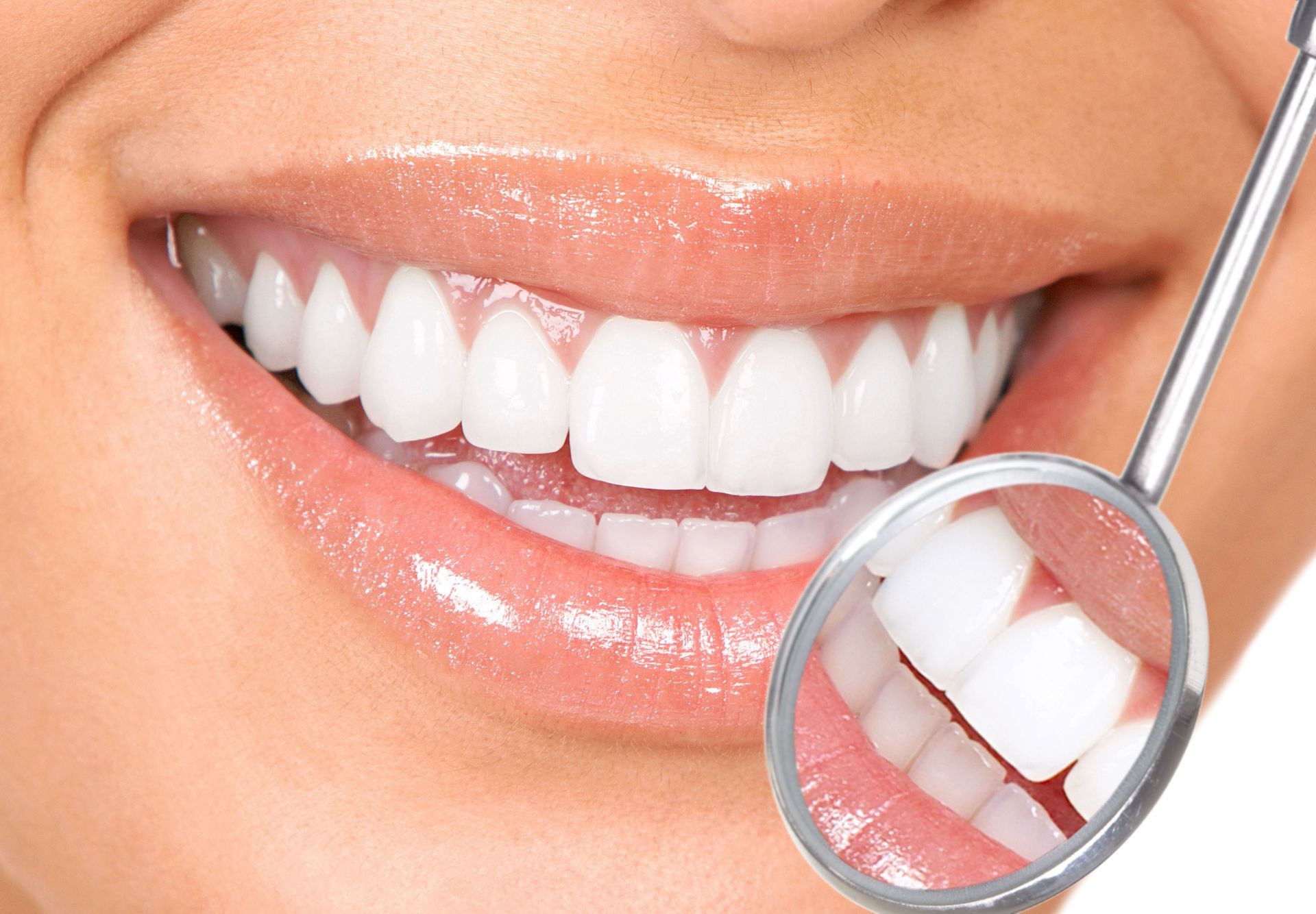
Professional cleanings remove plaque and tartar buildup, significantly reducing the bacterial load in the mouth. This minimizes the risk of cavities, gingivitis, and periodontal diseases, protecting enamel and gum health. Cleanings also allow for early detection of oral problems that may otherwise progress silently, ensuring timely, less invasive interventions. Beyond health, regular cleanings enhance the aesthetics of teeth and promote fresh breath, fostering patient confidence. These benefits underscore the importance of integrating general dentistry into routine care, combining health protection with improved appearance and self-esteem.
Long-Term Cost Savings and Overall Health Impact
Preventive dentistry reduces the likelihood of costly procedures by addressing issues early, ultimately saving time and resources. Investing in general dentistry ensures that minor problems are treated promptly before they become major complications. Oral health is closely linked to systemic health, with poor oral hygiene contributing to conditions such as cardiovascular disease and diabetes. According to the World Health Organization, untreated gum disease can release harmful bacteria into the bloodstream, promoting chronic inflammation. By maintaining regular dental care, individuals support overall wellness and mitigate systemic health risks, demonstrating that preventive care has both financial and physiological value.
Regular cleanings and general dentistry are fundamental in preventing oral disease, detecting problems early, and promoting overall health. From protecting teeth and gums to enhancing confidence and reducing long-term costs, preventive dental care offers substantial benefits. According to CDC.gov, untreated dental issues are prevalent in adults, reinforcing the importance of professional oversight. Ocean Atlantic Dental specializes in comprehensive general dentistry services designed to maintain oral health and support systemic wellness. Schedule your appointment with Ocean Atlantic Dental today to ensure a healthy, confident smile for years to come.




Share On: